ما الذي تغيّر منذ v0.1.38
كل ما هو جديد منذ إصدارك، في مكان واحد. كل إصدار يقود إلى ملاحظاته الكاملة.
388الإصدارات
2337التغييرات
44مع صور للمقارنة
حسب الموضوع
الأرقام
8660 -> 470 msForced layouts on a recorded code-hosting pagev0.1.427 · Layout reuses what it already worked out8.1 -> 5.3 ms, level with the reference engineRegex row (test, exec, replace)v0.1.427 · Faster script rows6,326 -> 5,128 msScript, style and layout on 11 recorded pagesv0.1.426 · Profile-guided optimization5,379 -> 5,166 msScript, style and layout on 11 recorded pagesv0.1.425 · Whole-program optimization176.7k -> 165.1kLayout steps on a large code-hosting pagev0.1.424 · Reusing measured layout12.2 -> 7.5 msCompile time on the main thread, large code-hosting pagev0.1.423 · Compiling on a background thread10.9 -> 7.6 msBuilding and comparing a 1,000-element tree, 50 timesv0.1.423 · Constants stay inside loops that call1.1 -> 0.88 msA tokenizer over 30 KB of code, 12 timesv0.1.422 · Loops that read text one character at a time
الصور
6 / 44 Models that showed nothingv0.1.408
 WebGL 2v0.1.407
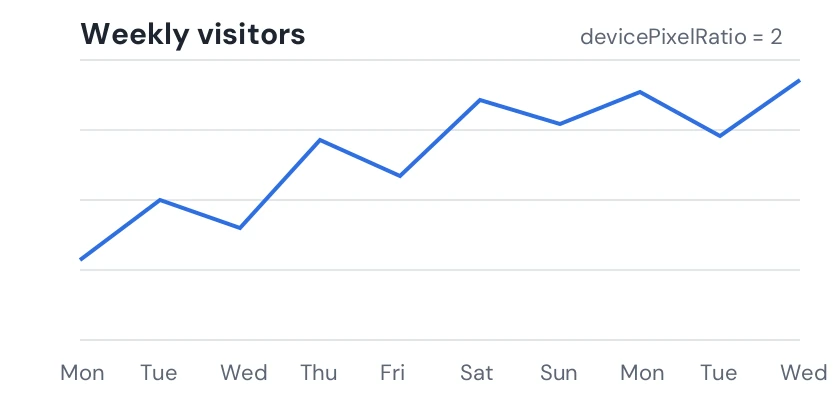 Sharp canvases on retina screensv0.1.407
 A Memory page that only says true thingsv0.1.406
 A stopped page you can readv0.1.406
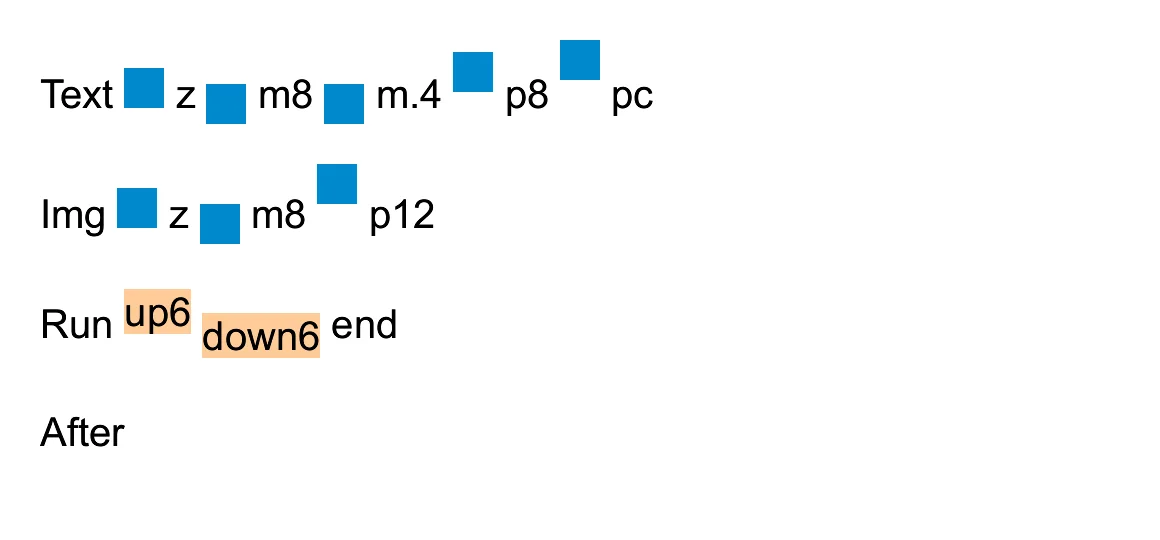 vertical-align with a lengthv0.1.406
كل الإصدارات
388- 0.1.427Layouts that remember their work9
- 0.1.426Compiled with what real pages run1
- 0.1.425Built with whole-program optimization2
- 0.1.424More layout reused after a script changes the page4
- 0.1.423The optimizing compiler works off the main thread5
- 0.1.422Text-reading loops and element-tree builders run faster14
- 0.1.421Calls from loops run inside the loop's own machine code9
- 0.1.420Pages you come back to run their scripts sooner17
- 0.1.419A faster interpreter runs the page's code12
- 0.1.418Scripts run faster on busy pages34
- 0.1.417Pages wait less for their own scripts and styles13
- 0.1.416WebGPU loops run 2 to 3 times faster on Macs4
- 0.1.415WebGPU loops count right on Macs4
- 0.1.414WebGPU runs in its own graphics process6
- 0.1.413A graphics card reset no longer takes the browser down5
- 0.1.412Video moves to the graphics card7
- 0.1.411No canvas stall on Windows, patterns and every blend mode on the graphics card5
- 0.1.410Canvas drawing moves to the graphics card27
- 0.1.409Every tile on the GPU26
- 0.1.4083D at 120 frames a second23
- 0.1.407WebGL 236
- 0.1.406A stuck tab stops at once16
- 0.1.405Small WebGL drawings get smooth edges6
- 0.1.404WebGL pages finally move25
- 0.1.403WebGPU is here35
- 0.1.402A canvas that moves itself to the GPU8
- 0.1.40199% of real pages decided by the GPU9
- 0.1.400Smooth turns, the same bytes on every chip, and fields that keep their text15
- 0.1.399Animations on the GPU compositor, and text that stays in its box22
- 0.1.398Gradient patterns that tile, animations that keep up, and a much faster canvas14
- 0.1.397Transitions that ease, and a GPU that draws 94% of real pages itself8
- 0.1.396Animations on the GPU compositor, and spinners that spin as arcs7
- 0.1.395Carousels that fade, badges that stay put, and floats that stay inside12
- 0.1.394Background images over their colour, interlaced pictures, and borders in every colour6
- 0.1.393Style sheets in page order, and symbols that fall back like macOS4
- 0.1.392Icon fonts loaded by script, and colour emoji on Windows2
- 0.1.391Emoji in colour, sized as in the reference browser3
- 0.1.390A classified ads site's front page: blank before, whole now12
- 0.1.389A computer maker's home page: navigation labels back, buttons apart5
- 0.1.388A space agency's home page, a news section and a language site's header now match the reference18
- 0.1.387News pages line up: a news site from 19.9% to 10.9% different5
- 0.1.386Real sites render closer to the reference browser14
- 0.1.385Ahead of the reference runtime on 7 of 8 workloads32
- 0.1.384Safety review, a rare crash fixed, functions compiled sooner46
- 0.1.383JavaScript ahead of the reference runtime on six of eight speed tests36
- 0.1.382Closed tabs give their memory back, and XML pages read as XML12
- 0.1.381Lighter script code, and calls between scripts that run as ordinary calls15
- 0.1.380Scrolling boxes scroll, pages look right, and scripts from other sites need permission16
- 0.1.379Pages laid out the way their authors wrote them, and less memory again22
- 0.1.378Other sites' data stays private, and less memory again8
- 0.1.377About half the memory of the reference browser on everyday sites15
- 0.1.376A minimized window stops piling up graphics memory5
- 0.1.375Closed pages let go, sites stay apart, and fonts stop costing memory9
- 0.1.374A floating video you can move, that opens without a black flash8
- 0.1.373Every page on our own engine, two pages side by side, videos that keep playing, and your own clock17
- 0.1.372Your data stays put, your choices stick, and dictation that really listens6
- 0.1.371Drop files onto pages, dictate without your voice leaving the Mac, and controllers that rumble6
- 0.1.370Open your files, share to your phone, have pages read aloud, install sites as apps, play with a controller, and accented text drawn right11
- 0.1.369Passkeys with Touch ID and Windows Hello, sites that work offline, notifications you allow, and devices asked for first, all kept on your device9
- 0.1.368A site's own security rules are kept the whole time the page runs, Trusted Types, a map of every unsafe write in DevTools, and animations from script8
- 0.1.367Events, form controls, performance timing, URL patterns, live streams and the newest JavaScript: the Web APIs score rises from 59 to 6210
- 0.1.366Events, custom form controls, fonts and navigation work the way the web standards say: the Web APIs score rises from 53 to 599
- 0.1.365The code-size budget fits your processor, and code that has gone cold makes room for code that is hot now3
- 0.1.364Compiled code that fits the processor's caches: big pages up to 1.8 times faster, and fast compiled code on Windows and Intel machines5
- 0.1.363Thermal runs on one code generator, building strings is up to 8 times faster, and two slow paths that grew with the square of their input are linear12
- 0.1.362A page scheduler that stalled now runs, try / finally and spreads compile, and deleting thousands of properties is 180 times faster7
- 0.1.361Thermal runs on Windows and Intel machines, a register fix for compiled code on Windows, try / catch compiles, and reading a growing string is 200 times faster7
- 0.1.360Every byte of machine code is Floati's own, a news site that showed blank renders, Gust's code is half the size, and closures and ?? compile9
- 0.1.359Thermal reads object members and folds Math, string building compiles, and methods, Array subclasses and globals behave as the standard says7
- 0.1.358Thermal, Floati's own optimizing compiler, is on: hot loops keep their numbers and strings in registers6
- 0.1.357Loops that test a number run as machine code, more of your functions compile, and reading page nodes is three times faster14
- 0.1.356Recursion makes a fraction of the calls, loops keep objects in registers, and element writes stop searching8
- 0.1.355A hot loop changes compiler without stopping, property writes skip the detour, and pure recursion remembers its answers6
- 0.1.354Floati compiles JavaScript with its own compiler, Updraft: about a hundred times faster to compile, and compiled code no longer piles up7
- 0.1.353Style matching tries a third of the rules, queries prepare their selector once, sibling walks stay fast5
- 0.1.352Code that loads on demand starts at once, images decode beside their downloads, writes run compiled10
- 0.1.351Styles read once, layouts redone only where they changed, built-ins in compiled loops12
- 0.1.350Helpers that compile, strings that stay small, and events that fire fast14
- 0.1.349Scripts that grow in step with their work, layouts laid out once, and colours mixed like the reference13
- 0.1.348Scripts that only compile when it pays, cards that line up, and bold that stays bold14
- 0.1.347Cards inside links, small print at its real size, and errors you can follow17
- 0.1.346A real performance timeline, site icons from the engine with a lookalike check, and forms that lay out right14
- 0.1.345Real WebGL, a real 2D canvas, and canvas text that matches the reference browser10
- 0.1.344Retina text that keeps its spacing, embeds at their real size, and an address bar that keeps up7
- 0.1.343Sign-ins that stay signed in, a real IndexedDB, and a storage button that shows what sites keep25
- 0.1.342Theme switchers, chart labels sized by CSS, and SVG text you can measure8
- 0.1.341Canvas text measured and drawn like the reference browser, and SVG shapes you can measure6
- 0.1.340Scripts can read and change SVG the way they do in the reference browser, and a hidden hang is gone10
- 0.1.339Every computed style, real stylesheet objects and full 3D geometry, each checked against the reference browser12
- 0.1.338Pages load faster, render truer and gain a dozen modern web features, each one checked against the reference browser19
- 0.1.337Sites load like they do in the reference browser: every test site runs its scripts cleanly11
- 0.1.336Site controls that do what they say: permissions that really ask, and Shields per site13
- 0.1.335A developer-docs site works like the reference browser, and every frame gets its own built-ins12
- 0.1.334Iframes that cost what a paragraph costs, live selections, and rounder corners10
- 0.1.333Fewer script errors on real sites, and finished pages give all their memory back10
- 0.1.332Pinned tabs on the left or the right, and an honest measure of the web platform9
- 0.1.331A crash on busy news sites fixed, and pages lighter on the processor5
- 0.1.330JavaScript scores 100, and big pages stop stuttering when they clean up11
- 0.1.329The JavaScript engine proves what it can skip9
- 0.1.328JavaScript runs at the reference browser's speed on 41 of our 42 measured workloads7
- 0.1.327Loops keep their speed when a helper ignores an argument, and JavaScript behaves more like the reference browser6
- 0.1.326Recursive code calls itself directly, and building text in a loop beats the reference browser3
- 0.1.325Deep recursion runs like it does in the reference browser3
- 0.1.324Long nested loops run to the end, and reading long text is fast2
- 0.1.323JavaScript measured at 94, JSON three times faster, and a round of fixes found against the reference browser11
- 0.1.322Closed pages give their memory back whole, and JavaScript measured at 8711
- 0.1.321Half the memory, and JavaScript measured at 8014
- 0.1.320Pages no longer freeze while a script waits on the network8
- 0.1.319A PDF viewer that does what Acrobat Pro charges for16
- 0.1.318Floati engine pages work with screen readers9
- 0.1.317Closer to the reference browser, and no more address bar tricks6
- 0.1.316Utility-CSS sites get their spacing back2
- 0.1.315Empty boxes stop pushing pages down2
- 0.1.314Utility-CSS sites stop stacking their lines on top of each other2
- 0.1.313A large encyclopedia and a news site now sit where the reference browser puts them7
- 0.1.312The window is finally just the window2
- 0.1.311Text now lines up with the reference browser's to a fraction of a percent5
- 0.1.310Pages stay alive, repaints never block your scroll, and type matches the reference browser's10
- 0.1.309Pages arrive like they do in the reference browser, in a fraction of the memory13
- 0.1.308Pages drawn by your graphics card, and scrolling that never waits5
- 0.1.307Long videos play all the way through on Windows too3
- 0.1.306Video that plays the whole way through, smoothly5
- 0.1.305Streaming video that adjusts to your connection5
- 0.1.304Sound and video, decoded by our own code5
- 0.1.303HTTP/3 is on, and it is ours: the fastest web protocol, built from scratch3
- 0.1.302The site you open stays your business, and the browser checks every certificate itself4
- 0.1.301Sites can no longer follow you between other sites, and the next page starts sooner3
- 0.1.300Reads the newest web compression, reuses secure connections, and remembers where sites live3
- 0.1.299Pages start loading sooner: smarter connections and a faster path onto slow networks3
- 0.1.298More number-crunching loops run several values at once, now on Windows and Intel Macs too, and faster than the reference browser3
- 0.1.297Setting up and filling arrays of numbers is now several times faster, and faster than the reference browser3
- 0.1.296Number-crunching loops over images, audio and data now run several values at once, faster than the reference browser on this kind of work4
- 0.1.295Class-based JavaScript runs dramatically faster: calling a method through a list of objects is now many times quicker4
- 0.1.294Integer, bitwise and pixel-processing JavaScript runs a lot faster, and the browser still proves every shortcut before it trusts it4
- 0.1.293Class-based and object-heavy JavaScript runs dramatically faster, with speed the browser proves before it trusts6
- 0.1.292Recursive JavaScript runs dramatically faster, so the heaviest in-page computation feels quick5
- 0.1.291A private wayback machine for pages you seal, cited answers that open where you read them, and a privacy report that is ready the instant a page loads7
- 0.1.290Floati spots trackers no list has caught, answers your questions from your own reading, and gets even closer to the pixel8
- 0.1.289A wave of rendering fixes: images, text wrapping, margins and flexible layouts closer to the pixel4
- 0.1.288The pages where you type a password stay out of your memory, and text renders truer to the page4
- 0.1.287A downloads manager that looks out for you, and scan-free QR that reads any code on a page4
- 0.1.286Open a QR code's link without a phone, and pages that reveal themselves on load now show up4
- 0.1.285Sites built with today's popular styling tools now render the way they should4
- 0.1.284Pop-out menus size to their contents, and pages get complete answers about their own styling3
- 0.1.283Messages between windows now prove who sent them3
- 0.1.282One tracker can't follow you between the sites it sits on, and insecure content shown and healed4
- 0.1.281See a site's own rules protect you, and what it was never told3
- 0.1.280An honest block count, and font fingerprinting defeated3
- 0.1.279See your protection at a glance, tap for the detail3
- 0.1.278A tracker can no longer follow you from one site to the next3
- 0.1.277See the security, do not just trust it3
- 0.1.276Security you can check: an honest ledger, a referrer firewall, and mixed content shut down5
- 0.1.275Timing Shield and a cleaner device surface3
- 0.1.274Fingerprint Shield: see and prove what a page tried to learn about you3
- 0.1.273Modern set operations arrive and the language reaches full conformance3
- 0.1.272Text methods report a clear error on an empty or missing value3
- 0.1.271Numbers convert to other bases the way the standard describes3
- 0.1.270Bound functions build objects the way the standard describes3
- 0.1.269The Reflect toolkit validates its target like the standard3
- 0.1.268JSON conversion matches the standard, including circular data3
- 0.1.267Global feature detection and function introspection match the standard3
- 0.1.266Proxy interceptors and strict-mode write errors match the standard3
- 0.1.265Dates, collections and error types match the standard's shape3
- 0.1.264Typed arrays, Map and Set, and bound functions match the standard3
- 0.1.263Object property rules, regular-expression objects, and function introspection3
- 0.1.262Function names, and the standard hooks regular expressions rely on3
- 0.1.261JavaScript read to the standard: number formats, and mistakes caught up front4
- 0.1.260Faster JavaScript: loops that call a small stateful closure3
- 0.1.259More PNGs decode, and content-width tables via CSS keywords3
- 0.1.258Real HTML tables: centered, sized and proportioned like the reference browser3
- 0.1.257Table-style and flex layouts, sized like the reference browser on real sites3
- 0.1.256Grid front pages that fit: multi-column layouts sized like the reference browser3
- 0.1.255CSS containment and content-visibility: fast pages, laid out right3
- 0.1.254Dialogs and popovers: modern overlays that layer correctly3
- 0.1.253Form validation: the checks every sign-up and checkout relies on3
- 0.1.252SVG graphics: patterns, full gradients, and text that lines up3
- 0.1.251Responsive images: the right picture, sharp on every screen3
- 0.1.250Grid layouts and responsive pages, tuned to the reference browser3
- 0.1.249Rendering fidelity: three more real-web fixes3
- 0.1.248Rendering fidelity: pages that look right4
- 0.1.247JavaScript correctness: text, arrays, and promise interop5
- 0.1.246Memory: your browser remembers what you read, and can prove it6
- 0.1.245Stricter block scoping and complete Proxy key-listing3
- 0.1.244Modern JavaScript: async generators, real classes, emoji-correct text, Proxies4
- 0.1.243Pixel-perfect painting: shadows, blurs, underlines, images3
- 0.1.242The layout engine is complete: columns that break like a magazine3
- 0.1.241Vertical writing, and columns that break where you ask3
- 0.1.240Right-to-left languages, done right3
- 0.1.239Row subgrid, and a little bird in the update card3
- 0.1.238Updates arrive faster, with a check the moment you open3
- 0.1.237Sticky pinning now works on retina and high-resolution screens3
- 0.1.236Sticky headers and nav bars pin while you scroll3
- 0.1.235Complex page grids and classic tables lay out like the reference browser3
- 0.1.234WebAssembly SIMD lands, completing the WebAssembly platform3
- 0.1.233Real WebAssembly apps that share memory with the page now work3
- 0.1.232WebAssembly now rejects broken modules, as a browser must3
- 0.1.231WebAssembly runs to the letter of the spec4
- 0.1.230Pinned badges and date gutters line up on real sites3
- 0.1.229Checkboxes stop vanishing in padded forms3
- 0.1.228Content inside aspect-ratio boxes sits where it should3
- 0.1.227Aspect-ratio boxes hold their shape, and centred CTAs centre3
- 0.1.226Inline buttons, tags and highlights are one clean shape again4
- 0.1.225Real right-to-left pages, and grids that size to their content4
- 0.1.224Right-to-left layout, laid out as an exact mirror4
- 0.1.223Tables, container units, card grids, and vertical stacks lay out right4
- 0.1.222Modern CSS spacing and image cropping catch up4
- 0.1.221Flex and grid: the layout shorthands that were quietly ignored4
- 0.1.220Loops, clicks, and the small print of running a page5
- 0.1.219The scripts that gave up halfway now finish the job5
- 0.1.218A calmer launch and a tidier browser5
- 0.1.217Your passwords, the Floati way5
- 0.1.216The update button, fixed up3
- 0.1.215A cleaner, more familiar tab strip and tab groups3
- 0.1.214Updates that put you back exactly where you left off, and tab groups that finally behave5
- 0.1.213Floati's own engine now draws your pages by default on Mac4
- 0.1.212Pages you render with Floati's own engine appear right away now3
- 0.1.211A correctness fix for today's list-speed improvement3
- 0.1.210The most common way people work with lists of data now runs at full speed3
- 0.1.209Big objects are instant now, instead of getting slower the more you add3
- 0.1.208Floati's own engine got dramatically faster at the code real pages run every frame3
- 0.1.207Info cards float over the page now, instead of hiding it3
- 0.1.206Explain this page: the browser now understands what a site does, and can prove it7
- 0.1.205When a page won’t load, the browser tells you instead of going blank3
- 0.1.204Engine-rendered pages line up with other browsers more precisely4
- 0.1.203Pages you open with the Floati engine now render on your graphics card4
- 0.1.202Icon-button headers keep their height, rem grid spacing applies3
- 0.1.201Headers sit at the right height, overlay icons in the right place3
- 0.1.200Info panels stay in their box, menus show real labels3
- 0.1.199Text falls back to the right font3
- 0.1.198Sharper text kerning and correct news-site image cards3
- 0.1.197Tightly-fitted text stops breaking a word early3
- 0.1.196The fast-layout engine now covers more of what busy pages do while loading4
- 0.1.195Faster on interactive pages that measure and rebuild themselves as they load4
- 0.1.194Faster on pages that change as you use them - plus a tab-hover fix3
- 0.1.193Select text, find on the page, and zoom - plus faster rendering7
- 0.1.192Crisp, high-resolution rendering on retina screens3
- 0.1.191Sharper images, and content that fills itself in3
- 0.1.190Centred icons, missing menu icons, and a grey smudge - all fixed3
- 0.1.189The encyclopedia's appearance controls and side menus work again3
- 0.1.188Info panels and side pictures line up cleanly now3
- 0.1.187Small icons on links and buttons sit where they belong3
- 0.1.186Engine tabs remember where you were3
- 0.1.185Pages rendered with Floati's own engine now feel like real pages3
- 0.1.184Articles with a sidebar box now flow around it, the way they should3
- 0.1.183One report: what did this page actually do to me?3
- 0.1.182Now it also spots the audio version of that tracking trick3
- 0.1.181See when a page tries to fingerprint you (and know it failed)3
- 0.1.180See how much of a whole page's download actually showed up on screen3
- 0.1.179Longer videos now play all the way through3
- 0.1.178The window reopens at the size you left it3
- 0.1.177Bytes-to-Pixels Ledger: which of a page's downloaded bytes actually painted anything3
- 0.1.176Witness Mode: cryptographic, offline proof of what a site showed you (a world-first)3
- 0.1.175The browser you install now plays video, built entirely from its own code3
- 0.1.174Counterfactual Browsing: see exactly what a script did to your page (a world-first)4
- 0.1.173Pixel Provenance: a click can only reach what you actually see (a world-first)4
- 0.1.172Split-motion video decodes: the VP8 inter path is complete, real WebM streams bit-exact4
- 0.1.171The engine decodes real video: VP8 interframes land, bit-exact against libvpx4
- 0.1.170Render Receipts: seal a page into proof the reference browser structurally cannot offer4
- 0.1.169Decoded frames reach the screen: drawImage(VideoFrame) paints real video + animated GIF onto a canvas3
- 0.1.168The engine decodes video: WebCodecs VideoDecoder gets real VP8 keyframe teeth3
- 0.1.167More real media formats: FLAC-in-Ogg, an ImageDecoder, and an MSE timeline3
- 0.1.166WebCodecs and a real FLAC decoder: the engine decodes audio on its own3
- 0.1.165WebGL user functions on the GPU: the common shader shapes are complete3
- 0.1.164WebGL textures + control-flow on the GPU3
- 0.1.163WebGL on the GPU: shaders run on the real device3
- 0.1.162GPU filled polygons: vector fills join the device path3
- 0.1.161GPU 3D transforms: every container renders on the device3
- 0.1.160GPU drop-shadow: the CSS filter set is complete on the device3
- 0.1.159GPU blur: the frosted-glass filter runs on the device3
- 0.1.158GPU colour filters: the common container set is complete3
- 0.1.157GPU 2D transforms: rotated and scaled content on the device3
- 0.1.156GPU clipping: rounded containers render on the device too3
- 0.1.155GPU shadows and conic gradients: the fallback set shrinks3
- 0.1.154A unified GPU renderer draws a whole page in order3
- 0.1.153GPU text: the last big paint primitive moves to the device3
- 0.1.152GPU image blit: pictures draw on the device, pixel-for-pixel3
- 0.1.151GPU gradients: linear and radial fills rasterise on the device3
- 0.1.150The GPU rasterises the page's boxes, not just composites them3
- 0.1.149The GPU compositor goes live: engine frames present on screen3
- 0.1.148WebAssembly numbers stay exact: 64-bit integers cross as BigInt3
- 0.1.147WebAssembly interop rounds out: imported globals and memory3
- 0.1.146WebAssembly modules can call JavaScript4
- 0.1.145Grid tracks join the exact-tiling guarantee3
- 0.1.144Exact tiling: percentage columns never leave a seam4
- 0.1.143Unmodified Puppeteer drives the engine end to end6
- 0.1.142WebGL shaders get arrays and while loops3
- 0.1.141WebGL can render into a texture (framebuffer objects)3
- 0.1.140WebGL gets a depth test, so 3D stops drawing in the wrong order3
- 0.1.139WebGL can texture from an image or a canvas3
- 0.1.138WebGL shaders gain control flow: if, for, and functions3
- 0.1.137WebGL depth: textures and indexed drawing3
- 0.1.136WebGL: the engine now runs shaders and draws triangles3
- 0.1.135DevTools automation: the methods a real driver reaches for3
- 0.1.134WebAssembly now runs real compiled modules, not just toy ones3
- 0.1.133The engine now runs WebAssembly3
- 0.1.132The GPU compositor can present directly to a window, no readback3
- 0.1.131Brotli, from scratch: the engine now speaks the web's best compression3
- 0.1.130Variable web fonts now render at the weight the page asks for3
- 0.1.129VP9 video in fragmented MP4 now actually plays, not just parses3
- 0.1.128HSTS: sites that demand https are never reached over plaintext, not even once3
- 0.1.127Encrypted DNS (DoH) inside the engine, so your network cannot see which sites you look up3
- 0.1.126Real HTTP/2 multiplexing: many streams share one connection3
- 0.1.125fMP4 / MP4 streaming: the engine parses the container the web actually serves3
- 0.1.124Puppeteer queries elements end to end - the first floor moves the overall3
- 0.1.123Real Puppeteer drives the engine: connect, open, navigate, evaluate3
- 0.1.122Time-travel scrubbing: jump to any pause on the timeline3
- 0.1.121Time-travel debugging: step BACK - a debugger the reference browser does not have4
- 0.1.120DevTools: a WebSocket transport, so external tools can attach3
- 0.1.119DevTools: a Sources panel with a clickable line gutter3
- 0.1.118DevTools debugger: step over, into and out3
- 0.1.117DevTools breakpoints snap to the nearest real line3
- 0.1.116DevTools debugger: source-line breakpoints3
- 0.1.115DevTools debugger: evaluate expressions at the breakpoint3
- 0.1.114DevTools debugger: pause on exceptions3
- 0.1.113Visual DevTools: a live Console REPL and a Debugger panel3
- 0.1.112DevTools Debugger: real `debugger;` breakpoints at the VM3
- 0.1.111Web Audio dynamics compression (DynamicsCompressorNode)3
- 0.1.110Web Audio 3D spatial panning (PannerNode) - synthesis surface complete3
- 0.1.109Web Audio convolution reverb + stereo sample playback3
- 0.1.108Stereo Web Audio: real panning and per-channel routing3
- 0.1.107Recursive functions with locals and captured constants, in native code3
- 0.1.106A real, deterministic AnalyserNode FFT3
- 0.1.105HTTP/2: the modern web transport, from scratch3
- 0.1.104Iterator Helpers: lazy map/filter/take/drop over any iterator3
- 0.1.103Generators that actually suspend: function*/yield on the resumable VM3
- 0.1.102Modern JS built-ins, and an honest look at where the whole thing stands: 503
- 0.1.101AES-GCM: the authenticated encryption the real web actually uses3
- 0.1.100The browser can be driven, not just watched: a DevTools Protocol that mutates the real page3
- 0.1.99A real accessibility tree3
- 0.1.98The engine speaks the DevTools Protocol3
- 0.1.97Real captions3
- 0.1.96Stateful audio DSP: filters, delay and waveshaping3
- 0.1.95Real, deterministic Web Audio (it used to be a silent stub)3
- 0.1.94async / await, done properly: a resumable virtual machine3
- 0.1.93Recursion runs at machine speed3
- 0.1.92Real encryption in the browser, and the fix that made it usable3
- 0.1.91Method calls run at machine speed - and a real crash fixed on the way3
- 0.1.90The version number in the app is honest again3
- 0.1.89Native object writes, and the 64-bit binary arrays3
- 0.1.88The Streams API family, completed3
- 0.1.87Message authentication: real HMAC signing and verifying3
- 0.1.86Real cryptographic hashing, and twenty more Web APIs that actually do something4
- 0.1.85Pages that measure themselves while loading render faster3
- 0.1.84A fixed-width box is now sized like one, and a code-hosting site gets its sidebar back4
- 0.1.83Four layout fixes chasing one header down to the pixel4
- 0.1.82Five layout defects, found by asking a real page where every box is5
- 0.1.81Building an object stopped re-allocating its keys3
- 0.1.80The page can ask what is under a point3
- 0.1.79Backgrounds stay inside their box3
- 0.1.78Ask knows when to stop, and forms can edit their fields3
- 0.1.77Ask joins the dots across sentences3
- 0.1.76Type checks and string switches run at speed3
- 0.1.75Bracket property writes catch up, and objects build leaner3
- 0.1.74Bracket property access gets fast, and Ask follows your timeline4
- 0.1.73Building a list gets fast, and Ask hears whole phrases3
- 0.1.72Method calls get up to speed, and Ask spreads its sources4
- 0.1.71Recursion gets its speed back, and Ask reads the room4
- 0.1.70One press, and you are on the new version5
- 0.1.69The colour of an icon, and a dozen ways the web fills in a blank8
- 0.1.68One grey rectangle on a code-hosting site was four separate bugs6
- 0.1.67We stopped grading the engine on pages and started grading it on CSS8
- 0.1.66The worst score on the board turned out to be a cookie banner9
- 0.1.65We started grading the engine on real websites, and five things broke immediately6
- 0.1.64An ad and tracker blocker built into the engine, not bolted onto it8
- 0.1.63Four real sites stopped breaking, and the engine learned to explain itself4
- 0.1.62Scripts get much faster, and two of the speed-ups turned out to be switched off13
- 0.1.61Twenty rendering fixes found by scoring every test page against the reference browser20
- 0.1.60Text that measures like the reference browser, an accessibility tree, web security, and animations11
- 0.1.58Rounded outlines, disclosure widgets, and a border reset fix3
- 0.1.57Form fieldsets render their legend properly3
- 0.1.56Data tables and dropdowns render right4
- 0.1.55Rounder corners, fixed card grids, numbered lists, decorated underlines4
- 0.1.54Real 3D transforms, and the modern web renders faithfully5
- 0.1.53Layout is essentially complete, and modern visual styling arrives4
- 0.1.52Floati now reads HTML and CSS selectors exactly like the reference browser4
- 0.1.51Rendering a real page with Floati's own engine no longer hangs3
- 0.1.50You can see when Floati is drawing the page itself4
- 0.1.49Sites you click start responding, and the web lays out like the reference browser15
- 0.1.48Text breathes like the reference browser, and the old web settles into place9
- 0.1.47Cards, columns and grids stop landing on top of each other5
- 0.1.46Pages sit where they should on the screen7
- 0.1.45The websites that used to come out broken now come out right10
- 0.1.44A large encyclopedia works properly, and icons stop coming out as blobs5
- 0.1.43The heavy pages get another three to six times faster5
- 0.1.42Real pages render three to twelve times faster5
- 0.1.41Pages lay out faster, and even more JavaScript becomes machine code5
- 0.1.40JavaScript now runs in machine code4
- 0.1.39Second windows work, and loops with real helpers get compiled5















