Примечания к выпускам написаны на английском.
Small WebGL drawings get smooth edges
Small WebGL drawings get smooth edges. A chart or a little canvas that stays in the software renderer was still stair-stepped after the last release, because only the GPU path could antialias. Software now takes the same four samples in the same four places, so a small drawing matches the reference almost pixel for pixel and comes out the same on every machine. Member reads on objects made with new are also cached now, which makes heavy WebGL scenes about a tenth faster.
Small drawings, smooth edges
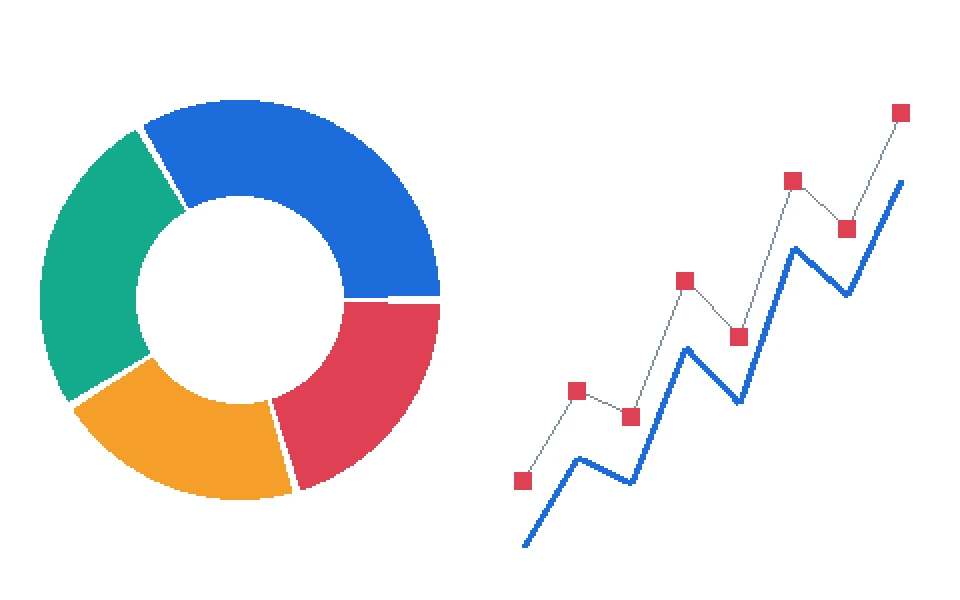

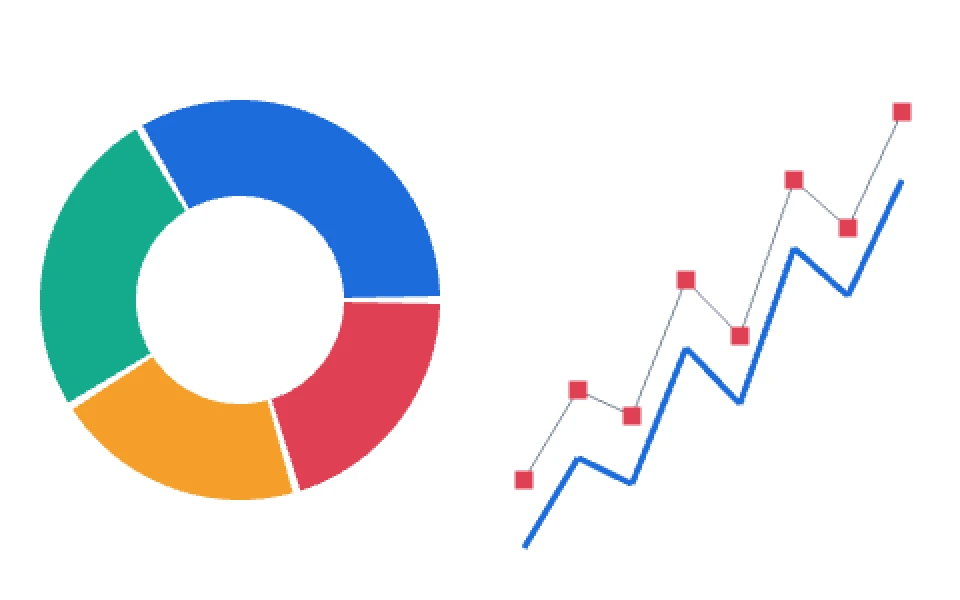
After the last release one limit stayed on the quality claim: a small script that stays in the software renderer still had stair-stepped edges. Staying in software is what keeps a small canvas the same on every machine, so moving it to the GPU was not the answer. The answer was to teach software to antialias the way the GPU does. It now takes four samples at the same four positions, but only on pixels an edge actually crosses, so a flat area costs nothing extra and memory stays small. Getting there took one honest surprise: coverage worked out in sixteenths of a pixel flipped whole rows, and it had to be two hundred and fifty-sixths before software and GPU agreed.
A small chart drawn in software: one sample, four samples, and the reference browser, on one frozen frame.
The same edge, up close



This is the same chart enlarged four times. Because the pattern matches, a canvas that starts in software and moves to the GPU does not change its look when it moves, and two runs of the same page give the same bytes. The WebGL conformance suite in software went to 97.0% with this, and nothing got worse.
The ring of the chart enlarged: one sample, four samples, and the reference browser.
Что изменилось
6 изменений- ОтрисовкаFIX: WebGL edges are antialiased in software too. A context too small to move to the GPU had hard edges, because four samples existed only there. Triangles, lines and points now take the same four samples as the GPU, and only pixels an edge crosses hold them.
- ОтрисовкаSpeed: reading a member of an object made with new is cached like any other, for the object's own values and its methods. Those objects counted as not plain, so each read was a full lookup. Cache refills on the heaviest WebGL scene fell from 3.59M to 558K, and it runs about a tenth faster.
- JavaScript и JITSpeed: a read site none of the caches can take stops trying after 16 attempts in compiled code, so it no longer repeats several lookups by name for as long as the page runs.
- JavaScript и JITTesting: new laws cover software edges against the GPU, repeatable bytes, a split pixel cap, and member reads through delete, getters, proxies, prototype swaps and dictionaries.
- ОтрисовкаTesting: Direct3D draws a multisampled line 1.4 pixels wide, so the edge law allows a line page one sample of four there, and no more.
- DevToolsTesting: three intermittent gate failures closed. A teardown law read a buffer that comes and goes as a leak, a debugger test paired two reads across a moving engine, and the interrupt law now gets a second try on a shared machine, where a really slow interrupt is still late both times. None was a fault in the browser.


