Ghi chú phát hành được viết bằng tiếng Anh.
Real WebGL, a real 2D canvas, and canvas text that matches the reference browser
Pages that draw now get real graphics engines. WebGL is written for this engine, from the shading-language compiler to the rasteriser, so 3D charts, maps and demos draw instead of showing an empty box. 2D canvases draw immediately with the reference browser's arithmetic: every blend mode, shadows and filters to the pixel, outlined and right-to-left text, real bold and italic, and offscreen canvases and image bitmaps. With the fingerprint shield on, canvas text reads back the same on every machine with no noise. SVG measurements are up to 180 times faster.
Real WebGL: 3D that actually draws
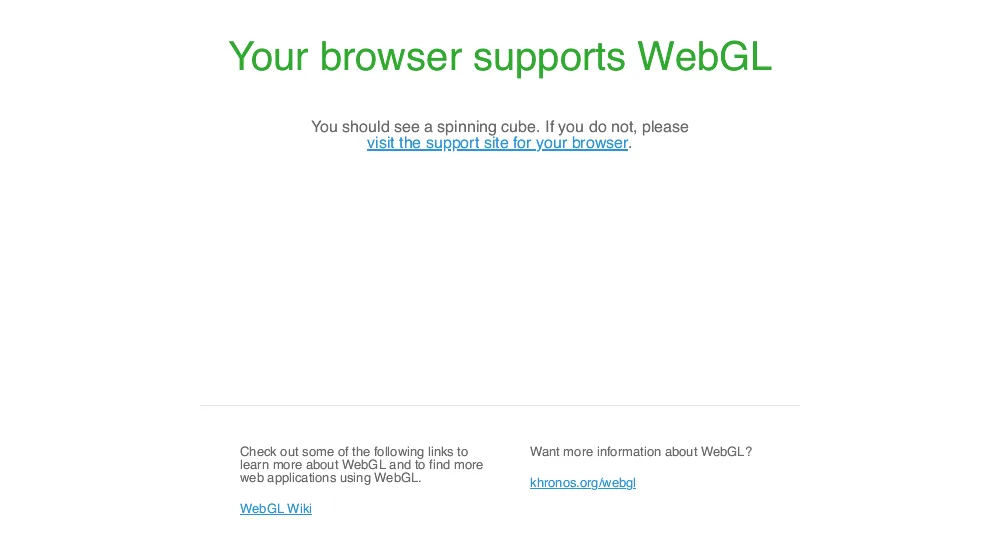

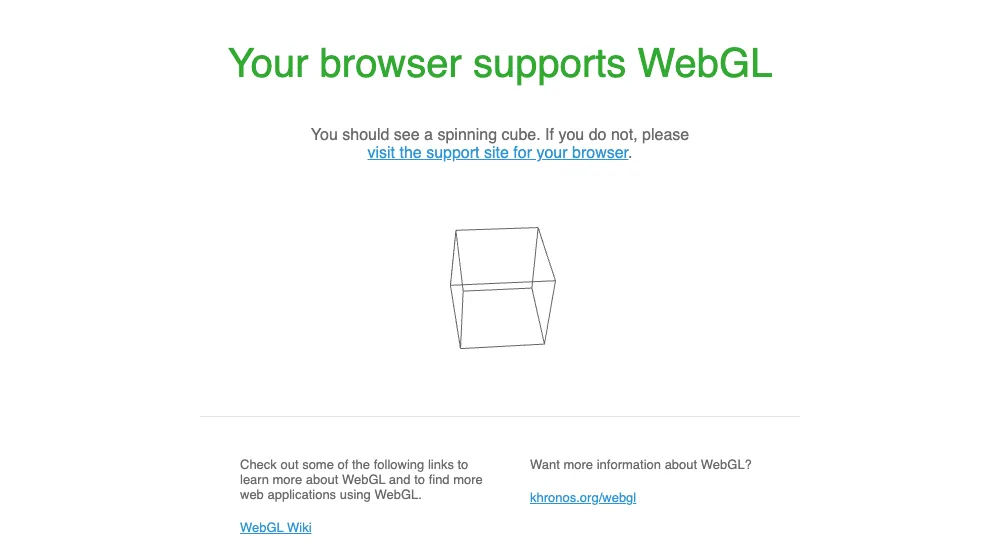
Pages that ask for WebGL now get a real one, written for this engine: a compiler for the shading language, a rasteriser that fills triangles with the same coverage rules as the reference browser, and the whole WebGL 1 state machine and interface. The WebGL test page that showed an empty box now shows its spinning cube. It draws on the processor, so it works on every machine the same way.
the WebGL support check page
A real 2D canvas engine
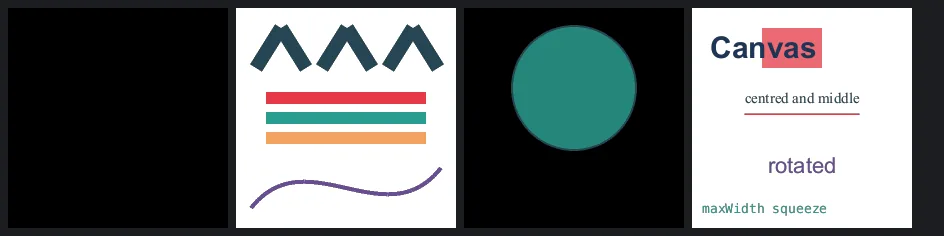
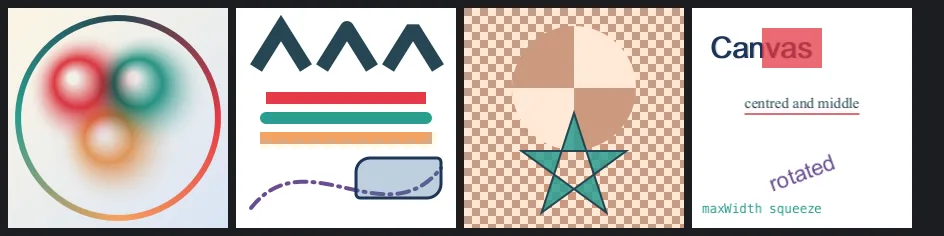
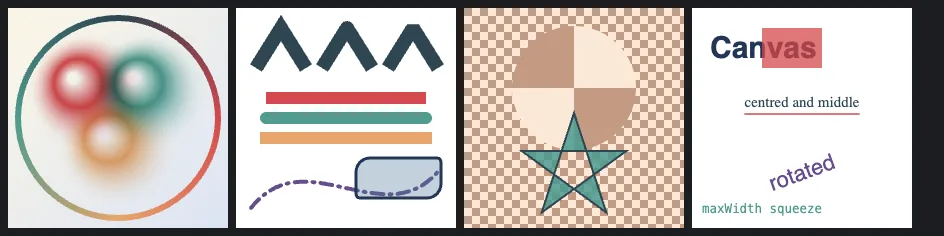
2D canvases used to record every call and replay the whole list each time the page was drawn or read back, with text always drawn last and gradients and patterns as stand-ins. They now draw immediately into their own pixels using the reference browser's arithmetic: gradients, patterns, all 26 blend modes, clipping, both fill rules, dashes, joins, caps and hit tests, with text drawn in the order the page asked for it. Reading back a busy canvas went from seconds to milliseconds.
paths, strokes, a pattern under a clipped star, and text
Shadows and filters, to the pixel
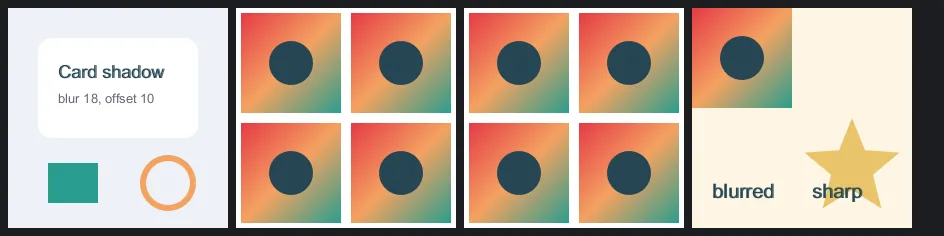
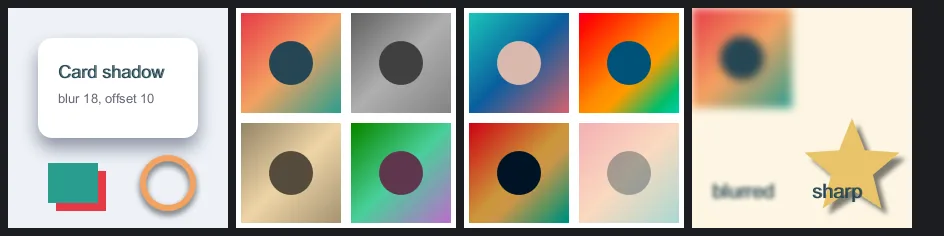
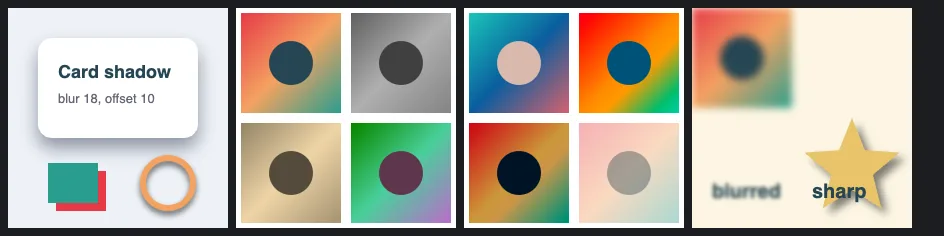
Canvas shadows and filters follow the standard's drawing model: the shape is filtered, then shadowed, then blended. Colour filters (grayscale, sepia, saturate, hue, brightness, contrast, invert, opacity) were measured against the reference browser and match its rounding exactly. And when a page redraws one sprite, only that rectangle is sent to the screen instead of the whole canvas.
card shadows, eight colour filters, blur
Canvas text as it should look
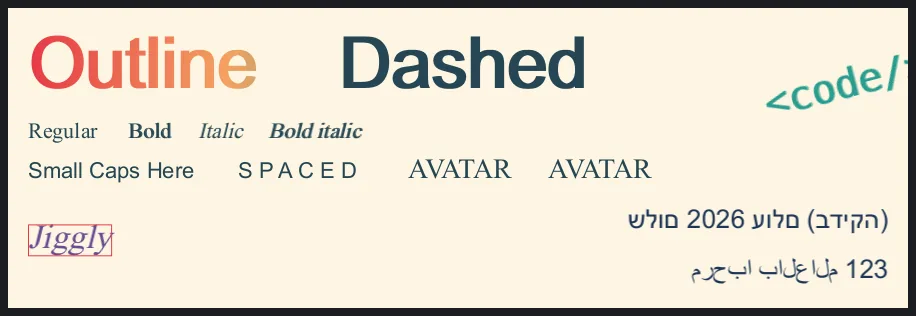
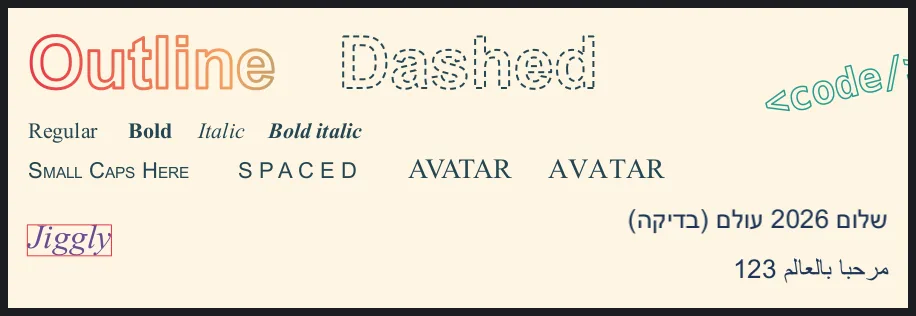
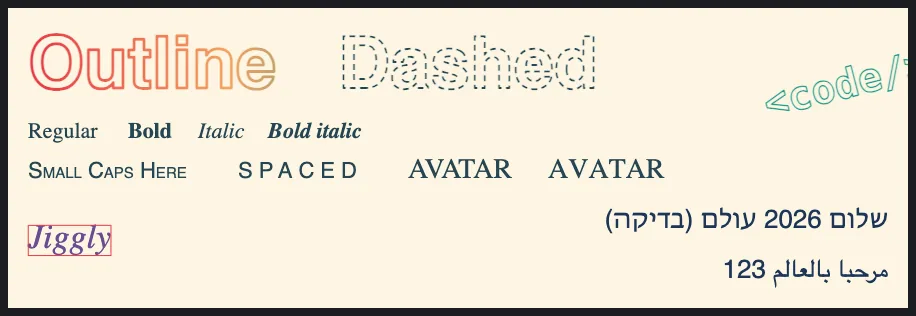
Outlined text is now the letters' real outlines stroked with the line style (dashes and gradients included), not filled letters. A bold or italic font named only in script loads the real bold or italic, not a smeared one. Letter and word spacing, turning kerning off and small capitals all work, measureText reports how far the ink really reaches, and Hebrew and Arabic draw right to left with numbers kept in order and letters joined.
outlined, bold, small caps, kerning, ink boxes, right to left
Offscreen canvases and image bitmaps
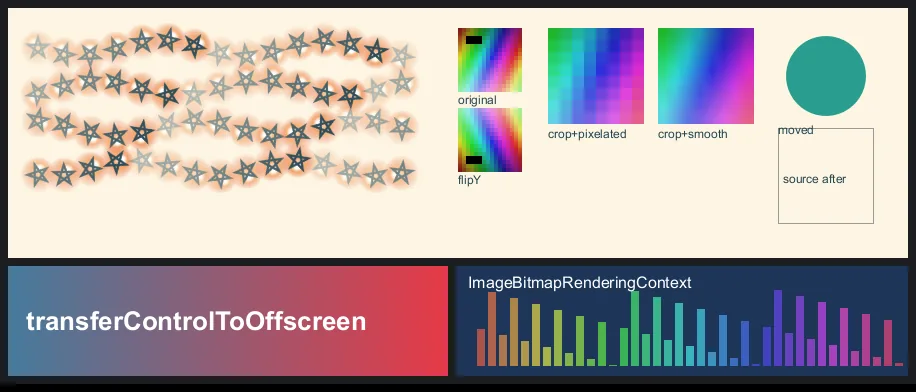
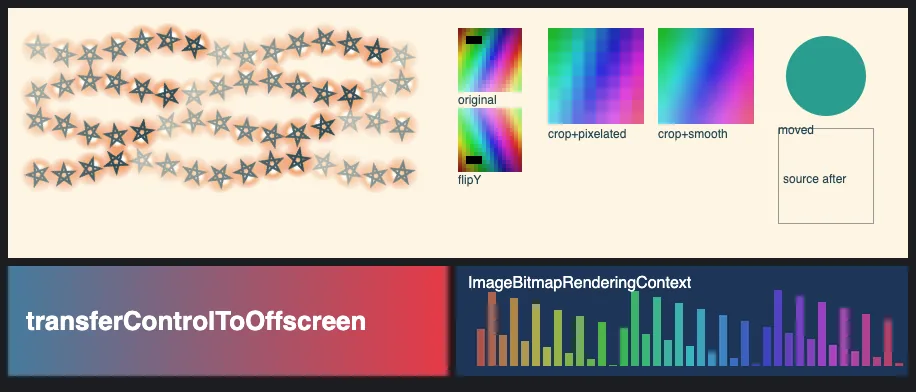
Pages can draw on a canvas that is not on the page, turn it into an image bitmap (cropped, flipped, resized sharp or smooth), hand a finished frame to the screen without a copy, and give a page canvas's drawing over to an offscreen one. Throwaway offscreen canvases are freed as soon as nothing uses them: a test makes 500 and requires none to stay.
sprites stamped from an offscreen canvas, bitmap crops, a handed-over frame
Những gì đã thay đổi
10 thay đổi- JavaScript và JITWebGL is real: a shading-language compiler, a triangle rasteriser with the reference browser's coverage rules, and the full WebGL 1 state machine and interface. Charts, maps and 3D demos that need WebGL now draw instead of showing an empty box. WebGL 2 stays off until it is just as real.
- Hiển thị2D canvases are a real drawing engine: immediate drawing into premultiplied pixels with the reference browser's arithmetic, gradients (linear, radial, conic), patterns, all 26 blend modes, clipping, both fill rules, dashes, joins, caps, and hit tests. Text is drawn in call order, so a shape drawn over a label now hides it.
- JavaScript và JITA canvas context is one real object per canvas with every method on its prototype, and setting a property by name (ctx[name] = value) now takes effect.
- API web và DOMCanvas shadows and filters follow the standard's drawing model, with colour filters matched to the reference browser's rounding. Redrawing one sprite now sends only that rectangle to the screen (1.37 ms -> 0.001 ms a frame).
- Hiển thịCanvas text: outlined text strokes the real letter outlines, real bold and italic cuts load when a script names them, letter and word spacing, kerning off and small capitals work, measureText reports the ink box, and right-to-left text draws in the right order.
- Hiển thịOffscreenCanvas, ImageBitmap and createImageBitmap (crop, flip, resize, premultiply), the bitmap renderer for offscreen and page canvases, and handing a page canvas to an offscreen one. Throwaway offscreen canvases are freed as soon as nothing uses them.
- Quyền riêng tư và ShieldsWith the fingerprint shield on, canvas text is drawn with fonts bundled in the browser, so a canvas reads back exactly the same pixels on every machine and needs no added noise. Text in scripts those fonts do not cover still gets noise on readback.
- API web và DOMSVG getPointAtLength and getBBox no longer walk every point of the shape on each call: 1.1 ms -> 0.006 ms and 4.4 ms -> 0.13 ms on a long path.
- JavaScript và JITMethods on page elements are the prototype's own functions, with the standard argument counts, so a page that replaces a prototype method sees its version used.
- Hiển thịscript.text, title.text and option.text follow the HTML standard, and document.title collapses its whitespace.
Thử trong trình duyệt của bạn
Mỗi phép kiểm tra chạy trực tiếp trong trình duyệt bạn đang đọc. Không có gì được gửi đi đâu cả.


