版本说明以英文撰写。
Emoji in colour, sized as in the reference browser
A website rendering release: emoji draw in colour on macOS, sized and spaced as in the reference browser. 3 changes, each checked against the reference browser.
Emoji are pictures, not boxes
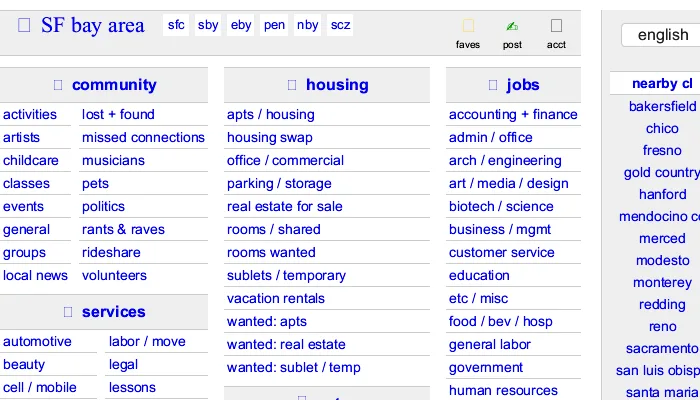

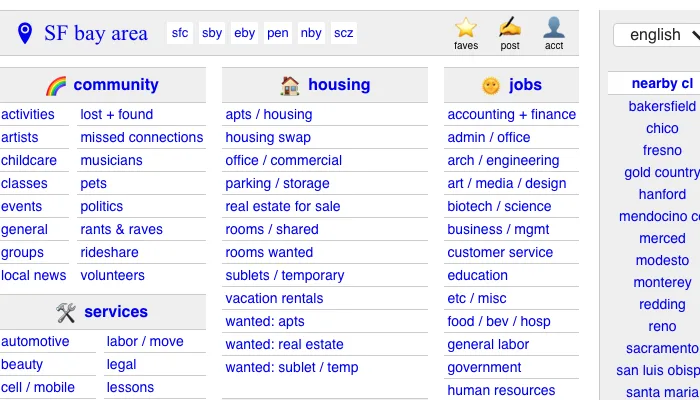
Every emoji on a page showed as an empty box: the system's emoji font was never among the fonts Floati could fall back to, and its glyphs are pictures that a text renderer cannot draw. Now, on macOS, the emoji font joins every page, each emoji is drawn from its picture, and runs that hold one are painted in software where the graphics card path only knows outlines. (Windows follows once its layered colour emoji are drawn.) Loading the font costs nothing extra: Floati reads only the few tables it needs to lay text out, and a picture only when it is drawn.
A classified ads site's section headings: Floati without these fixes, with them, and the reference browser.
Lines make room for them
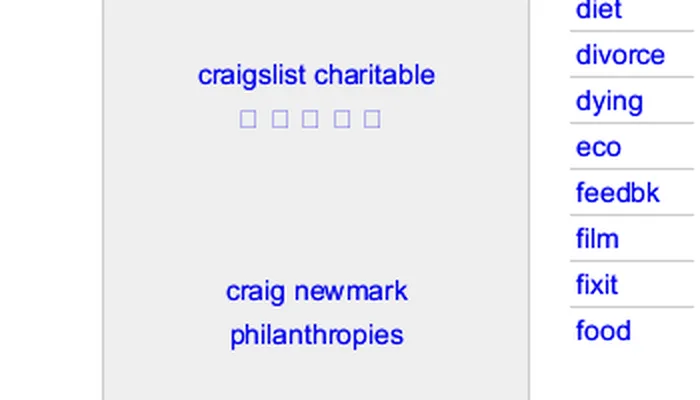
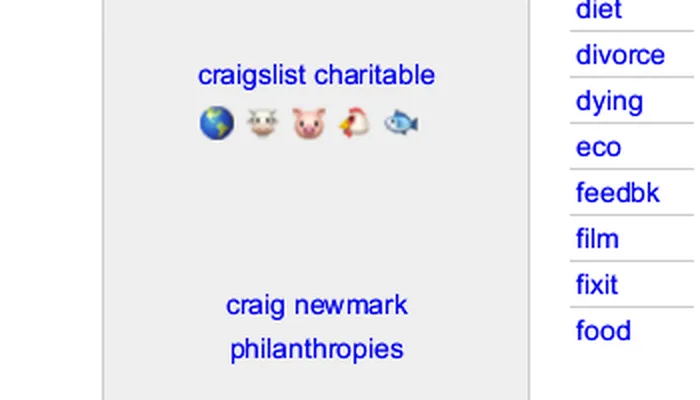
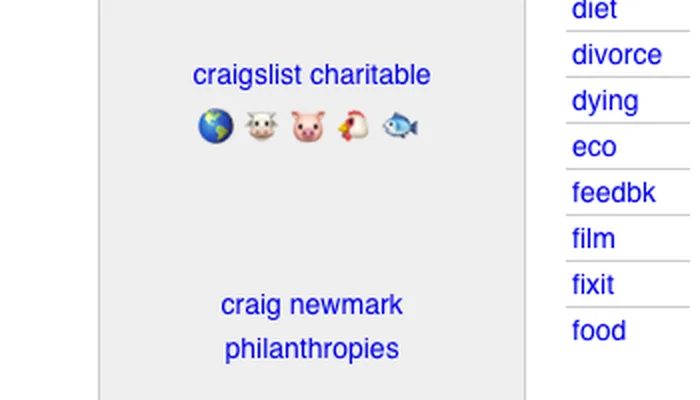
Measured in the reference browser at every size from 6 to 40px, small emoji are set a little larger than the text around them (a quarter larger up to 16px, back to the text size by 24px) and on whole pixels, and a line holding one grows to the emoji's own height. Floati now does exactly that, so text around emoji wraps and stacks where it does there.
An emoji row and the line below it: Floati without these fixes, with them, and the reference browser.
改动内容
3 项改动- 记忆与阅读On macOS, emoji draw as colour pictures from the system's emoji font, instead of empty boxes (Windows follows when its layered colour emoji are drawn). Their widths follow the reference browser exactly at every size from 6 to 40px (small emoji are set a little larger than the text, as there), and the font costs no extra memory: only the pictures a page shows are read.
- 隐私与 ShieldsFIX: a line holding an emoji grows to fit it, as in the reference browser, and a set line-height places its text the same way. A classified ads site's emoji row sat too close to the line below.
- JavaScript 与 JITFIX: inside the constructor of a class built on arrays, `this` is the array itself as soon as the parent constructor returns, so checks such as Array.isArray(this) answer correctly there.


