Tutte le versioni v0.1.37924 Ott 2026Rendering, API web e DOM, Privacy e Shields, Accessibilità, Memoria e lettura Feed

Le note di rilascio sono scritte in inglese.

Pages laid out the way their authors wrote them, and less memory again

A page-drawing release with more memory saved. Comparing Floati's picture of a page with the reference browser's, pixel by pixel, on a set of well-known sites showed where Floati laid pages out wrongly, and fourteen of those mistakes are fixed: which style rule wins when two disagree, how a line break, a grid, a flexible row and a font size written as a sum behave, where a line of text sits, and more. A design framework's documentation page went from 26 percent of its pixels different to 5, a news front page from 35 to 20. On memory, the same 33 randomly picked popular sites now use 4,301 MB in Floati against 10,377 MB in the reference browser on the same Mac (59 percent less; 0.1.378 used 4,524), the average site settles at 130 MB, and Floati uses less than the reference browser on 29 of the 33. Pictures nobody can see, because they are fully transparent or hidden, now give back their memory, and pictures on sharp screens are kept at exactly the pixels they are drawn at. Measured and tested on a Mac; the Windows build passes the same engine tests.

26 -> 5 percentA design framework's documentation page, pixels different from the reference
reference browser 10,377 MB -> Floati 4,301 MB33 random sites, total memory
In evidenza2

Pages look the way they were written
PrimaDopo
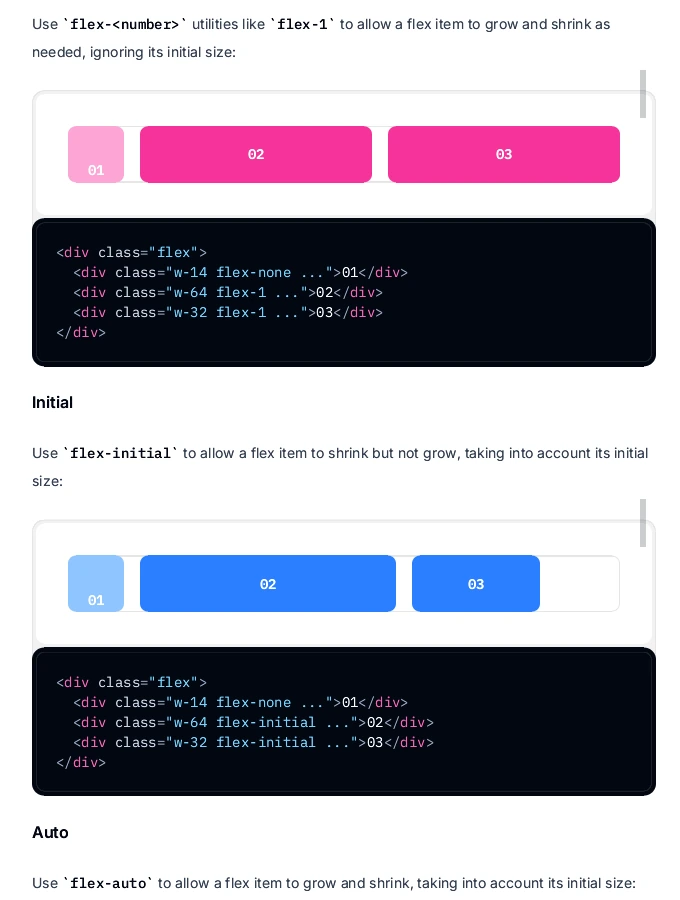
Prima: A design framework's documentation page: Floati 0.1.378, Floati 0.1.379 and the reference browser. The gaps under each example now match, so every heading below sits where the page puts it.
Prima
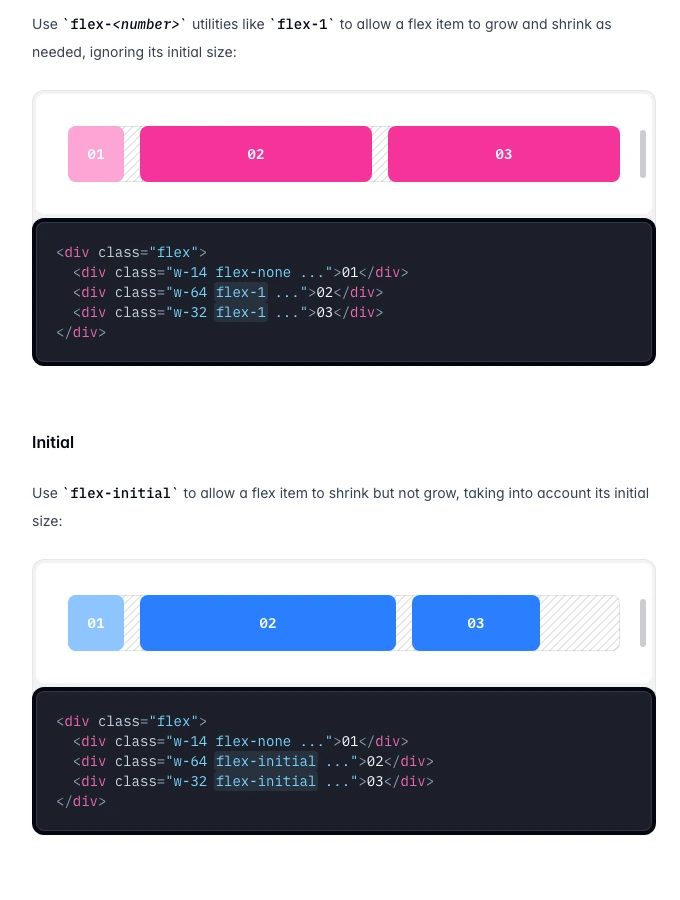
Dopo: A design framework's documentation page: Floati 0.1.378, Floati 0.1.379 and the reference browser. The gaps under each example now match, so every heading below sits where the page puts it.
Dopo · v0.1.379
La stessa pagina nel browser di riferimento
Browser di riferimento

To find layout mistakes we draw well-known pages in Floati and in the reference browser and compare them pixel by pixel, then shrink each difference down to a few lines of page code and check that rule against the reference. Fourteen fixes came out of it. When a site's style sheet marks a rule as important it now beats a style written on the element itself, as the standard says; it used to lose, so menus and buttons sat in the wrong place. Rules written with the newer selector forms (is, where, not, has) now weigh exactly as much as they should, so the right one wins. A line break at the end of a line no longer starts an empty extra line. A font size written as a sum (a calc) is worked out once, so everything inside inherits the size and not the formula. A line height written in em or percent is fixed where it is written, so text inside a bigger heading does not grow its own gaps. Grids now share the height of a tall item among the rows it spans the way the reference does and understand rows named by the page, flexible rows stretch their items to the exact height the page set, an overlay over a picture covers the whole picture, labels meant only for screen readers no longer push the header down, and a button with a two-line label lines up with its neighbours. Every fix has a test that fails without it.

A design framework's documentation page: Floati 0.1.378, Floati 0.1.379 and the reference browser. The gaps under each example now match, so every heading below sits where the page puts it.

A design framework's documentation page, pixels different from the reference26 -> 5 percentA news front page35 -> 20 percent13 well-known sites, total difference181 -> about 140

Less memory on the same random sites

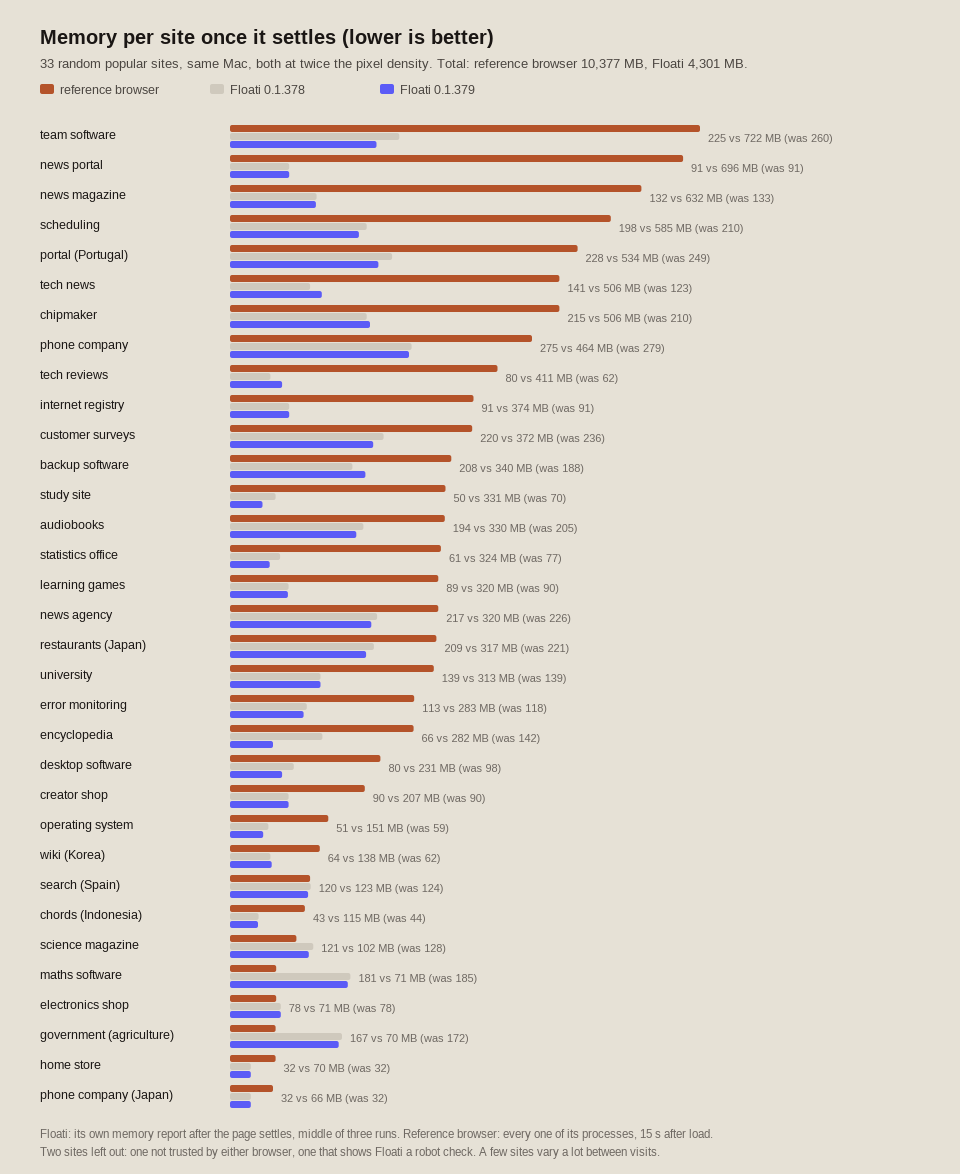
Memory per site after it settles: the reference browser, Floati 0.1.378 and Floati 0.1.379, same Mac, same screen density

The same 33 sites as in the last two releases, picked at random from a public list of the most visited websites, opened in Floati on the same Mac at twice the pixel density, three times each (the middle result is shown). Floati used 4,301 MB in total, against 10,377 MB for the reference browser and 4,524 MB for 0.1.378, and less than the reference browser on 29 of the 33. Three changes did most of it. A picture that is fully transparent or hidden (the resting slides of a fading slideshow, for example) is not drawn, so it now gives its memory back like a picture far down the page, and takes it again the moment it shows. On a sharp screen a picture is kept at exactly the pixels it is drawn at, where Floati used to keep a quarter more in case the box grew, and background pictures are kept at the size they are painted, not their full file size. And each picture keeps only one form: the compressed file or the drawn pixels, whichever it needs, never both. An encyclopedia went from 142 to 66 MB, a study site from 70 to 50, a team software site from 260 to 225. Four sites still use more than the reference browser: a maths software site, a government site, a science magazine and a shop, mostly because of large pictures and the compiled code of scripts that never run.

33 random sites, total memoryreference browser 10,377 MB -> Floati 4,301 MBFloati 0.1.378 -> 0.1.3794,524 -> 4,301 MBAverage site, settled130 MBSites where Floati uses less29 of 33

Cosa è cambiato

22 modifiche
  1. RenderingAn !important rule in a style sheet now beats a style written directly on the element, the order the standard sets (normal rules, then the element's own style, then important rules). A page that forces a margin with !important now gets it.
  2. RenderingA scrolling panel inside a column of fixed height keeps the height the column gives it and scrolls its own content, instead of growing to fit everything and spilling over the panel below.
  3. API web e DOMSelector weights follow the newest standard: :where() adds nothing, while :is(), :not() and :has() weigh as much as their strongest part. A CSS framework's 'weakest' typography rules no longer beat stronger ones, so its documentation headings get the right spacing (pixel difference from the reference 26 -> 17 percent).
  4. RenderingA line break (<br>) ends the line it sits on: one at the end of a line no longer opens an extra empty line, and one at the start breaks before what follows. Code blocks that end every line with a break were drawn twice as tall.
  5. RenderingA font size written as a formula (calc(), such as 'one em minus 20 percent') is worked out once where it is written, so nested elements inherit the result instead of shrinking the text again at every level. A docs site's live code editor drew its code as faint dashes 4 pixels tall; it is 13.6 pixels now, as in the reference.
  6. RenderingA line height written in em, percent or rem is turned into pixels where it is declared and passed down as pixels, so a large heading inside a smaller block no longer gets a line nearly twice too tall. Plain numbers still pass down as numbers, as the standard says.
  7. RenderingA flexible row with a set height stretches its items to exactly that height; taller content now overflows instead of making the row taller (a news site's 32 pixel logo row had become 36).
  8. RenderingAn inline block whose text sits inside nested boxes lines up on that text's baseline, so navigation bars and story lists built that way are no longer taller than they should be (one list was 107 pixels too tall).
  9. RenderingA full-cover overlay inside a box whose height comes from its content now sizes against that box's final height; such overlays came out 0 pixels tall.
  10. RenderingFlex items sized with fit-content, max-content or min-content keep that size instead of being stretched across the card.
  11. RenderingA stretched flex column counts as having a known height for what is inside it, so footers pushed to the bottom with margin-top: auto now sit at the bottom of their card.
  12. AccessibilitàLabels hidden for screen readers (positioned off-screen) take no room in the line they sit in; they made a news site's masthead 31 pixels taller.
  13. RenderingGrid items that span several rows share their extra height the way the standard describes, filling rows that can still grow first; four common shapes now match the reference exactly.
  14. RenderingGrids understand named row lines (grid-row: headline), and row templates that name their lines size their rows correctly; the names used to be read as extra rows.
  15. Memoria e letturaPictures that are invisible (inside something fully transparent or hidden) give their memory back and take it again only when they show. A fade carousel's waiting slides are exactly this.
  16. Memoria e letturaEach picture now keeps only the smaller of its two forms it needs: a picture on screen keeps its pixels, a hidden or far one only its file. Photo PNGs could never be given back before. A restaurant guide went from 252 to 211 MB.
  17. Memoria e letturaOn sharp (2x) screens a picture keeps exactly the pixels its box shows, with no extra quarter kept 'for zooming' (zooming decodes it again at the new size anyway), and is shrunk once it is 1.2 times too wide instead of 1.5. A chipmaker's site went from 230 to 199 MB.
  18. Memoria e letturaBackground pictures are shrunk to the size their drawn copy needs, whether they are covered, contained or tiled, and grow back when the box gets bigger. A phone company kept a 3200 pixel strip behind a box 2 pixels tall.
  19. RenderingGroundwork for compiling functions only when they first run: those functions now share their script's text instead of each keeping a copy.
  20. Memoria e letturaMeasured before building: combining half-empty memory pages would give back only 1 to 2 MB on the heaviest sites, so that idea was set aside in favour of the image work above.
  21. Memoria e lettura33 random popular sites: 4,301 MB in Floati (0.1.378: 4,524) against 10,377 MB in the reference browser; the average site settles at 130 MB.
  22. Privacy e ShieldsKnown: module scripts from another site are not yet checked like other requests; four sites still use more memory than the reference browser.

Tutto dalla v0.1.379 in un unico posto

Versioni

v0.1.0 - 0.1.9 · 10 Lug 2026418v0.1.427 · 25 Nov 2026

Novembre2026 · 40 versioni

42725 NovLayouts that remember their workPiù recente · v0.1.427 · Rendering9 42625 NovCompiled with what real pages runv0.1.426 · JavaScript e JIT 42525 NovBuilt with whole-program optimizationv0.1.425 · Rendering 42425 NovMore layout reused after a script changes the pagev0.1.424 · Rendering 42324 NovThe optimizing compiler works off the main threadv0.1.423 · Rendering 42222 NovText-reading loops and element-tree builders run fasterv0.1.422 · JavaScript e JIT14 42122 NovCalls from loops run inside the loop's own machine codev0.1.421 · JavaScript e JIT9 42021 NovPages you come back to run their scripts soonerv0.1.420 · Rendering17 41918 NovA faster interpreter runs the page's codev0.1.419 · JavaScript e JIT12 41815 NovScripts run faster on busy pagesv0.1.418 · JavaScript e JIT34 41711 NovPages wait less for their own scripts and stylesv0.1.417 · JavaScript e JIT13 41611 NovWebGPU loops run 2 to 3 times faster on Macsv0.1.416 · JavaScript e JIT 41510 NovWebGPU loops count right on Macsv0.1.415 · JavaScript e JIT 41410 NovWebGPU runs in its own graphics processv0.1.414 · Rendering 41310 NovA graphics card reset no longer takes the browser downv0.1.413 · Rendering 4129 NovVideo moves to the graphics cardv0.1.412 · Media 4119 NovNo canvas stall on Windows, patterns and every blend mode on the graphics cardv0.1.411 · Rendering 4109 NovCanvas drawing moves to the graphics cardv0.1.410 · Rendering27 4098 NovEvery tile on the GPUv0.1.409 · Rendering26 4088 Nov3D at 120 frames a secondv0.1.408 · Rendering23 4077 NovWebGL 2v0.1.407 · Rendering36 4066 NovA stuck tab stops at oncev0.1.406 · Rendering16 4055 NovSmall WebGL drawings get smooth edgesv0.1.405 · Rendering 4045 NovWebGL pages finally movev0.1.404 · Rendering25 4035 NovWebGPU is herev0.1.403 · Rendering35 4024 NovA canvas that moves itself to the GPUv0.1.402 · Rendering 4014 Nov99% of real pages decided by the GPUv0.1.401 · Rendering9 4004 NovSmooth turns, the same bytes on every chip, and fields that keep their textv0.1.400 · Rendering15 3994 NovAnimations on the GPU compositor, and text that stays in its boxv0.1.399 · Rendering22 3984 NovGradient patterns that tile, animations that keep up, and a much faster canvasv0.1.398 · Rendering14 3973 NovTransitions that ease, and a GPU that draws 94% of real pages itselfv0.1.397 · Rendering 3963 NovAnimations on the GPU compositor, and spinners that spin as arcsv0.1.396 · Rendering 3953 NovCarousels that fade, badges that stay put, and floats that stay insidev0.1.395 · Rendering12 3943 NovBackground images over their colour, interlaced pictures, and borders in every colourv0.1.394 · Rendering 3932 NovStyle sheets in page order, and symbols that fall back like macOSv0.1.393 · Rendering 3922 NovIcon fonts loaded by script, and colour emoji on Windowsv0.1.392 · Schede e interfaccia 3911 NovEmoji in colour, sized as in the reference browserv0.1.391 · JavaScript e JIT 3901 NovA classified ads site's front page: blank before, whole nowv0.1.390 · JavaScript e JIT12 3891 NovA computer maker's home page: navigation labels back, buttons apartv0.1.389 · Rendering 3881 NovA space agency's home page, a news section and a language site's header now match the referencev0.1.388 · Rendering18

Ottobre2026 · 58 versioni

Mostra altre 57
Settembre2026124 versioni Agosto2026140 versioni

Luglio2026 · 56 versioni

6531 LugWe started grading the engine on real websites, and five things broke immediatelyv0.1.65 · Rendering 6431 LugAn ad and tracker blocker built into the engine, not bolted onto itv0.1.64 · Privacy e Shields 6331 LugFour real sites stopped breaking, and the engine learned to explain itselfv0.1.63 · Rendering 6230 LugScripts get much faster, and two of the speed-ups turned out to be switched offv0.1.62 · JavaScript e JIT13 6130 LugTwenty rendering fixes found by scoring every test page against the reference browserv0.1.61 · Rendering20 6030 LugText that measures like the reference browser, an accessibility tree, web security, and animationsv0.1.60 · Rendering11 5825 LugRounded outlines, disclosure widgets, and a border reset fixv0.1.58 · Rendering 5725 LugForm fieldsets render their legend properlyv0.1.57 · Rendering 5624 LugData tables and dropdowns render rightv0.1.56 · Rendering 5524 LugRounder corners, fixed card grids, numbered lists, decorated underlinesv0.1.55 · Rendering 5424 LugReal 3D transforms, and the modern web renders faithfullyv0.1.54 · Rendering 5323 LugLayout is essentially complete, and modern visual styling arrivesv0.1.53 · Rendering 5223 LugFloati now reads HTML and CSS selectors exactly like the reference browserv0.1.52 · Rendering 5123 LugRendering a real page with Floati's own engine no longer hangsv0.1.51 · Media 5023 LugYou can see when Floati is drawing the page itselfv0.1.50 · JavaScript e JIT 4923 LugSites you click start responding, and the web lays out like the reference browserv0.1.49 · Rendering15 4822 LugText breathes like the reference browser, and the old web settles into placev0.1.48 · Rendering9 4722 LugCards, columns and grids stop landing on top of each otherv0.1.47 · Rendering 4622 LugPages sit where they should on the screenv0.1.46 · Rendering 4522 LugThe websites that used to come out broken now come out rightv0.1.45 · Rendering10 4421 LugA large encyclopedia works properly, and icons stop coming out as blobsv0.1.44 · Rendering 4321 LugThe heavy pages get another three to six times fasterv0.1.43 · Rendering 4221 LugReal pages render three to twelve times fasterv0.1.42 · Rendering 4121 LugPages lay out faster, and even more JavaScript becomes machine codev0.1.41 · JavaScript e JIT 4021 LugJavaScript now runs in machine codev0.1.40 · JavaScript e JIT 3921 LugSecond windows work, and loops with real helpers get compiledv0.1.39 · Schede e interfaccia 3820 LugLoops that call a helper get compiledv0.1.38 · JavaScript e JIT 3720 LugText-scanning loops get much fasterv0.1.37 · JavaScript e JIT 3620 LugFaster field reads, and loops over binary datav0.1.36 · API web e DOM 3520 LugLoops over objects get compiledv0.1.35 · JavaScript e JIT 3420 LugThe everyday array loop gets compiledv0.1.34 · JavaScript e JIT 3319 LugMath in loops gets compiledv0.1.33 · JavaScript e JIT 3219 LugBit-twiddling loops get compiledv0.1.32 · Rendering 3119 LugFaster loops over listsv0.1.31 · JavaScript e JIT 3019 LugHot loops get compiledv0.1.30 · JavaScript e JIT 2919 LugFaster JavaScriptv0.1.29 · JavaScript e JIT 2819 LugMore of the modern web lays out rightv0.1.28 · Rendering 2719 LugPages that lay out the way they shouldv0.1.27 · Rendering 2618 LugHighlight what you read, and find it againv0.1.26 · Memoria e lettura 2518 LugColumns line up, and Floati reads more closelyv0.1.25 · Rendering 2418 LugFormulas at the right sizev0.1.24 · Rendering 2318 LugMath formulas, and pages that refused to loadv0.1.23 · Rendering 2218 LugNavigation bars get their spacing backv0.1.22 · Rendering 2118 LugPrint sheets stay on paper, navs stop gluingv0.1.21 · Rendering 2017 LugThe whole font familyv0.1.20 · Rendering 1917 LugTypography and icons, pixel for pixelv0.1.19 · Rendering 1817 LugReal fonts, real picturesv0.1.18 · Rendering 1717 LugEngine pages become real tabsv0.1.17 · Schede e interfaccia 1617 LugSix times faster, and jQuery worksv0.1.16 · API web e DOM 1516 LugReal sites render rightv0.1.15 · Rendering 1415 LugVideo plays on our own enginev0.1.14 · Media 1315 LugTabs that know each otherv0.1.13 · Schede e interfaccia 1214 LugThe engine starts taking overv0.1.12 · Rendering 1112 LugPick your engine per sitev0.1.11 · Rendering 1012 LugYour browsing, remembered locallyv0.1.10 · Memoria e lettura 0-910 LugFirst public releasesv0.1.0 - 0.1.9 · Memoria e lettura