Wɔakyerɛw release ho nsɛm no wɔ Borɔfo kasa mu.
Carousels that fade, badges that stay put, and floats that stay inside
A website rendering release: inline styles read back the way scripts expect, positioned inline-blocks keep what they hold, and a box that contains its floats now contains nested ones too. 12 changes, each checked against the reference browser, and the GPU rasteriser is pixel-identical on every test page again.
A carousel that shows one slide at a time
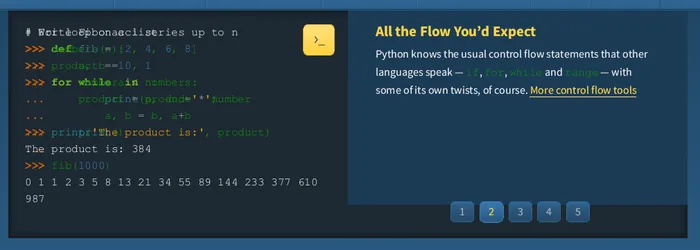

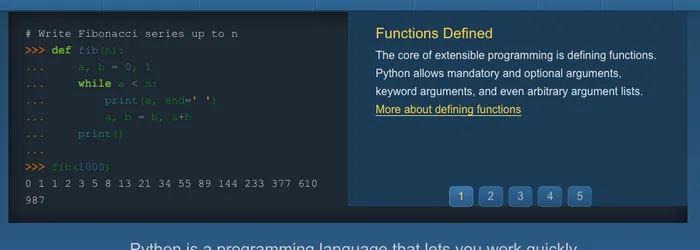
A programming language site's front page stacked every slide of its code carousel on top of each other. The site's script library tests whether the browser understands opacity by writing opacity .5 to a test element and reading it back, expecting 0.5. Floati gave back the text exactly as written, so the library decided opacity was unsupported and faded the slides with an old filter property instead: every slide stayed fully visible. Inline style values now read back serialized, the way the reference writes them.
A programming language site's carousel: Floati without this fix, with it, and the reference browser. (The slide shown differs only because the carousel had moved on.)
Date badges beside the news
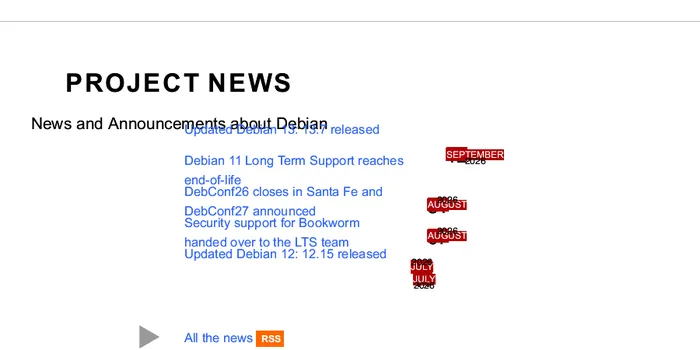
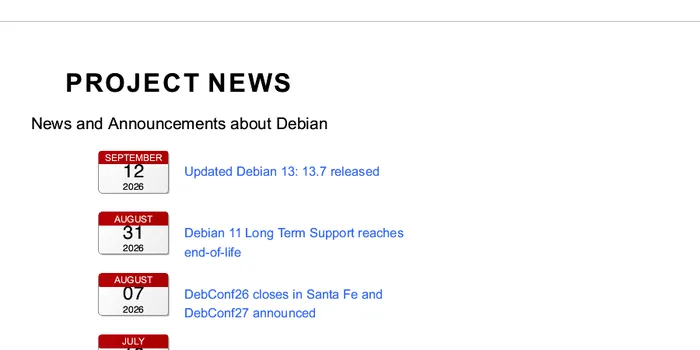

A Linux distribution's news list puts a small date badge beside each headline: a positioned inline-block holding absolutely positioned day, month and year. Floati's layout lifted absolute children out of their inline parent to place them, and walked into inline-blocks while doing so, so the badges lost their contents and the list collapsed into overlapping text. An inline-block is its own box: it now keeps its absolute children and places them itself.
A Linux distribution's news list: Floati without this fix, with it, and the reference browser.
Lead images where they belong
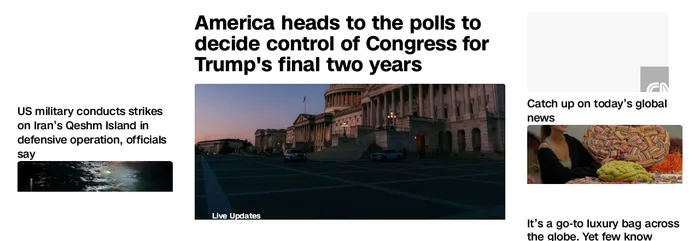
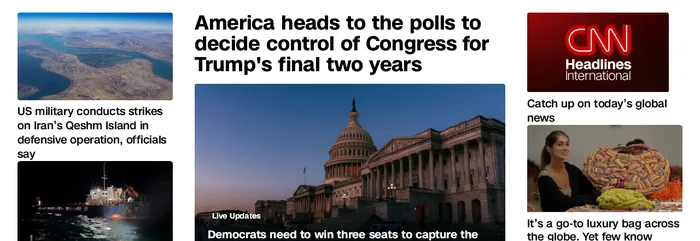
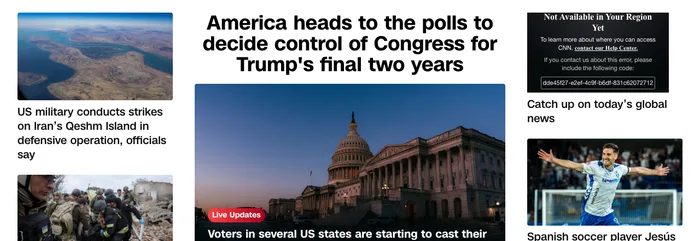
The same inline-block fix brings back a news site's lead images: each card's picture sits in a positioned inline-block, and its absolutely positioned layers were lost with it. The cards now show their pictures and labels in the reference's places. An encyclopedia's language picker is fixed by the same change.
A news site's front page: Floati without this fix, with it, and the reference browser. (Live headlines and pictures differ between captures.)
A legend that stays inside its box
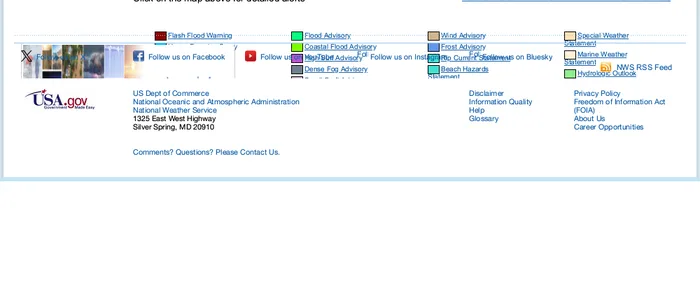
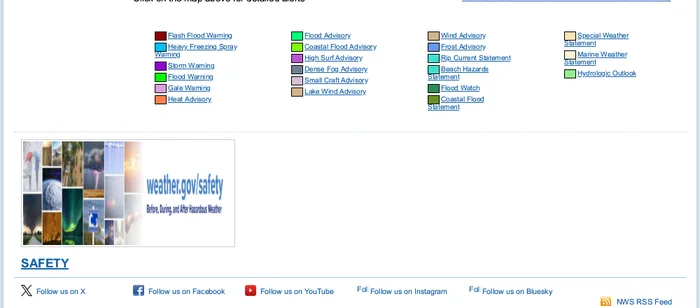
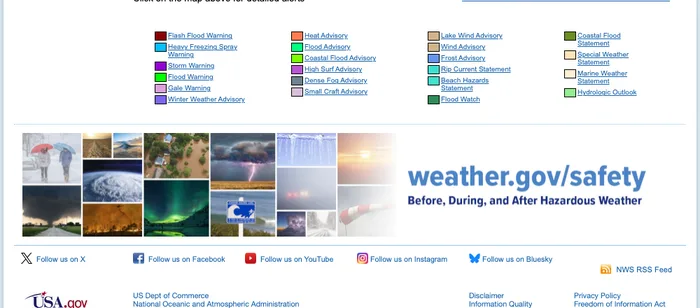
A box with overflow hidden, or a float, grows to hold the floats inside it. Floati counted only floats that were its direct children, so a weather service's alert legend, whose coloured entries float inside a list inside the box, spilled out and the footer painted over it. Floats nested in its children now count too, as in the reference. The same fix puts a Linux distribution's photo carousel back in its frame.
A weather service's alert legend: Floati without this fix, with it, and the reference browser.
Deɛ asesa
nsesaeɛ 12- Krataafa nhyehyɛeɛFIX: inline style values now read back serialized: opacity .5 reads 0.5, as in the reference. They came back exactly as written, so a common script library decided the browser could not do opacity and faded a programming language site's carousel with an old filter instead, leaving every slide visible at once.
- Krataafa nhyehyɛeɛFIX: style.cssText now reads `color: red;` with a space and a closing semicolon, as the reference writes it, with the last of any repeated property winning.
- Krataafa nhyehyɛeɛFIX: a positioned inline-block now keeps its absolutely positioned children and places them itself. Layout lifted them out to its inline parent and lost them, so a Linux distribution's news date badges, a news site's lead images and an encyclopedia's language picker were empty or misplaced.
- Web APIs ne DOMFIX: a box that contains its floats (overflow hidden, a float, an inline-block) now also grows to hold floats nested inside its ordinary children. A weather service's alert legend spilled out under the footer, and a Linux distribution's photo carousel left its frame.
- Krataafa nhyehyɛeɛFIX: an absolutely positioned child of a padded box now measures from the padding edge, not the content edge, when the box's height comes from its content: `bottom: 10px` sat a padding's height too high. A percentage bottom now waits for the box's final height.
- Krataafa nhyehyɛeɛFIX: a grid row the template names but no item fills now still takes its height. A news site's sections sat closer together than the reference (gap 58 -> the reference's 60 after rounding).
- Web APIs ne DOMgetComputedStyle now reports used margins in px: `margin: 0 auto` reads the actual centring margin instead of `auto`, and percentage and flex auto margins read what layout gave them. A script centring a popup on the margin got NaN.
- Web APIs ne DOMgetComputedStyle reports top, right, bottom and left of relatively and absolutely positioned boxes in used px (`0px` instead of `auto`, an absolute box's insets from its containing block), as the reference does.
- Web APIs ne DOMgetComputedStyle reports grid-template-columns and grid-template-rows as the grid's own track sizes. They were rebuilt from where items landed, so a two-row template holding one item read one row.
- Web APIs ne DOMgetComputedStyle reports the standard font as "Times New Roman" instead of serif, as the reference does, unless the page itself asks for serif.
- Krataafa nhyehyɛeɛFIX: GPU drawing is pixel-identical to software drawing on every test page again (95 -> 97 of 97). Where a backdrop blur sat near the edge of a strip drawn in software, it read empty pixels past the strip; the strip now extends by the blur's reach. Proven on Metal and DirectX 12.
- Krataafa nhyehyɛeɛGPU: images drawn at their natural size go straight to the GPU with no work on the main processor, and the measured share of tiles whose colours the GPU decides itself is reported separately from tiles it only blends (90.7% -> 91.7% across the test pages; 99.3% of tiles are drawn on the GPU).