Transitions that ease, and a GPU that draws 94% of real pages itself
A GPU and animation release: CSS transitions now run, animation frames the engine draws now reach the screen, and on real sites the GPU now decides the colour of 94% of the page itself, up from 69%, still pixel for pixel what software draws. 8 changes, each checked against the reference browser or the software renderer.
Hover and script changes now ease
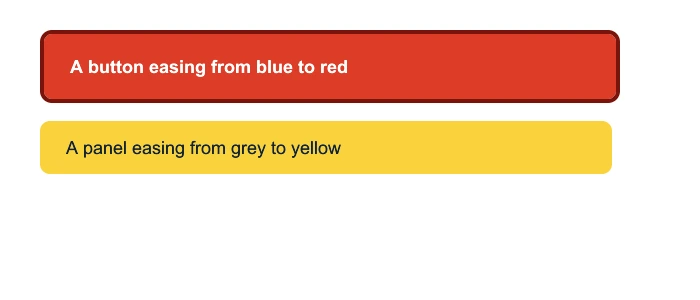
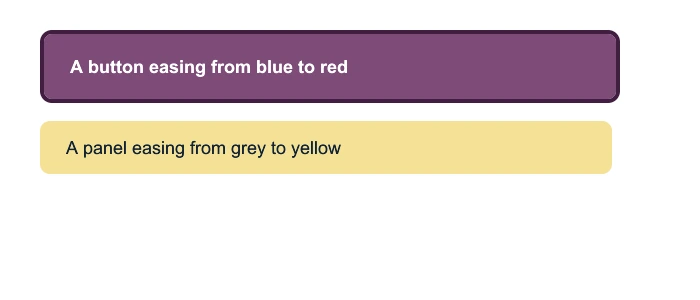
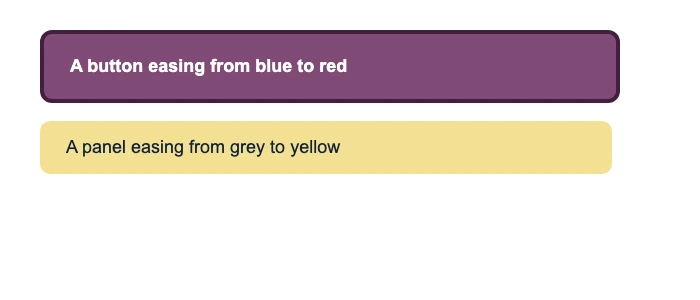
CSS transitions were read and never played: a button that should fade from blue to red over a second just switched. They now run. Background, border, outline and decoration colours ease on the engine, opacity and transform transitions play on the GPU compositor at the display's own rate, and a hover that is reversed half way turns back from the colour on screen. Testing this in the app also turned up a bug that hid animation frames: when a page timer read the layout during the engine's tick, the new frame was taken for an unchanged one and never shown.
The GPU decides 94% of real pages itself
Floati's GPU drawing is held to one rule: every pixel must be exactly what the software renderer draws. Until now that meant the processor still computed the colour of many pixels and the GPU only blended them: bold and underlined text, background images, box shadows, rounded boxes with mixed corners, and every shrunk photo. Each of these is now drawn by the GPU itself, still pixel for pixel. Shrunk photos needed a trick: averaging pixels is exact in whole numbers, and the one division, which GPUs do not round exactly, is reproduced exactly in whole numbers. Across 24 well-known sites the share of the page whose colours the GPU decides went from 69 to 94 percent, and every page stayed identical to software drawing on Apple Silicon and DirectX 12 alike.